
When Baby M was discovered alone in Kabwe, Zambia, he was only hours old.
A passerby found him abandoned and immediately sought help. His umbilical cord was still freshly attached. The same day he entered the world, he had been left without the protection and care every newborn needs.
He was rushed to Kabwe General Hospital, where doctors cared for him until he was healthy enough to be discharged.
But leaving the hospital did not mean Baby M had a family waiting for him.
He still needed somewhere safe to go. He needed to be fed, held, protected, and loved while Zambia’s social welfare system determined what would come next.
That is when a Baby Home became his refuge. And that is why rescue is still necessary today.
Rescue Is Not the Finish Line. Family Is.
At Every Orphan’s Hope, we believe children were created for family, belonging, and hope. Our Baby Homes exist to provide urgent, temporary protection when a child cannot safely remain with his or her biological family.
Baby Homes are not the destination. Family is.
But there is often a critical period between the moment a child is rescued and the moment that child can safely enter a permanent family. During that time, someone must be there.
Janet Mukonki, Social Work Manager for Every Orphan’s Hope, has seen firsthand what can happen when there is a safe place ready to receive a child.
“When children are admitted into our care it is often an emotional experience for both the caregivers and the staff.”
She recalls a baby boy who was admitted into care in December 2025 after being rescued from a pit latrine where his biological mother had abandoned him.
He needed more than a bed.
For three months, he received nurturing care at the Baby Home while the team worked toward a permanent solution. He was eventually matched with an adoptive family. After a period of bonding, he was discharged into their care, where he is now growing up in a safe and nurturing home.
Without someone stepping in, his story could have ended very differently. Instead, rescue became the beginning of his journey toward family.
What Our Caregivers See When Children Arrive
Not every child who arrives at a Baby Home is a baby. Though the name might suggest newborns, our Baby Homes provide a nurturing environment for infants and young children up to the age of five. Children come to us at different ages, and they come to us in different conditions.
Some children are severely malnourished. Others are critically ill and need immediate medical attention. Some arrive with physical injuries or signs of abuse.
For the mamas and staff who receive them, those moments carry real emotion.
There is sadness and grief in seeing a child who has already experienced so much. At times, Janet says, there can also be anger at knowing a child has suffered at the hands of someone who should have provided protection.
“To think that a child went through so much pain at the hands of those that should be protecting them, who are their biological families.”
But there are moments of gratitude, too.
When a child arrives healthy and without visible signs of harm, the team is grateful for the opportunity to intervene before greater trauma occurs.
In either circumstance, the response is the same: welcome the child, meet the immediate need, and begin pursuing a safe path forward.
This is the reality of rescue. It is difficult, deeply human work, but it is also filled with hope. As Christians, we know the heart of rescue because Christ first came near to us in our brokenness, rescued us, and welcomed us into the family of God.
Dignity Should Never Require Us to Hide the Truth
There is a tension in telling stories like these.
We never want a child’s most painful experience to become a fundraising tactic. Children are not stories of suffering to be used for shock or pity. They are sons and daughters created in the image of God, worthy of dignity, protection, and belonging.
But protecting dignity does not mean hiding reality.
Every Orphan’s Hope has made a commitment to tell the truth about abandonment, danger, loss, and urgency without exploiting suffering. Hope does not require us to sanitize the difficult parts of a child’s story. Instead, hope allows us to acknowledge what happened while refusing to believe that hardship gets the final word.
That means we can say plainly that children still arrive malnourished. Children still arrive critically ill. Children still experience abandonment, neglect, and abuse. And sometimes, a child needs someone to step in immediately.
That is why Baby Homes continue to exist.
What Happens After a Child Is Rescued?
Rescue is an urgent response, but we are committed to caring for the whole child and pursuing what comes next.
Each child entering a Baby Home first receives a comprehensive health assessment so medical needs can be identified and treated.
Then comes something equally important: consistent care.
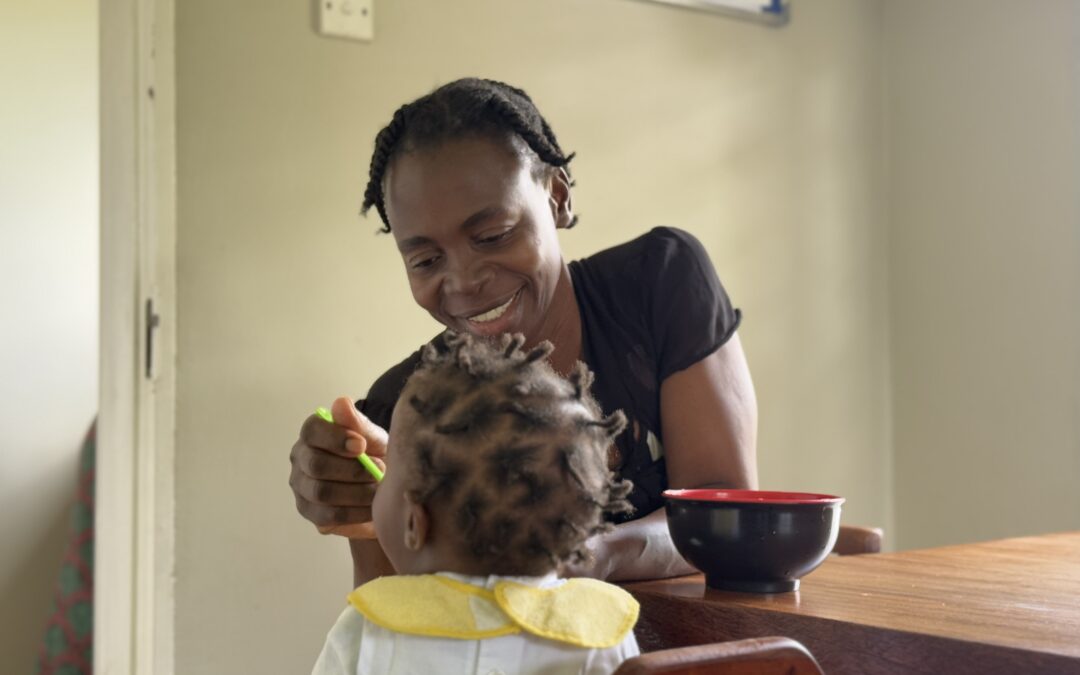
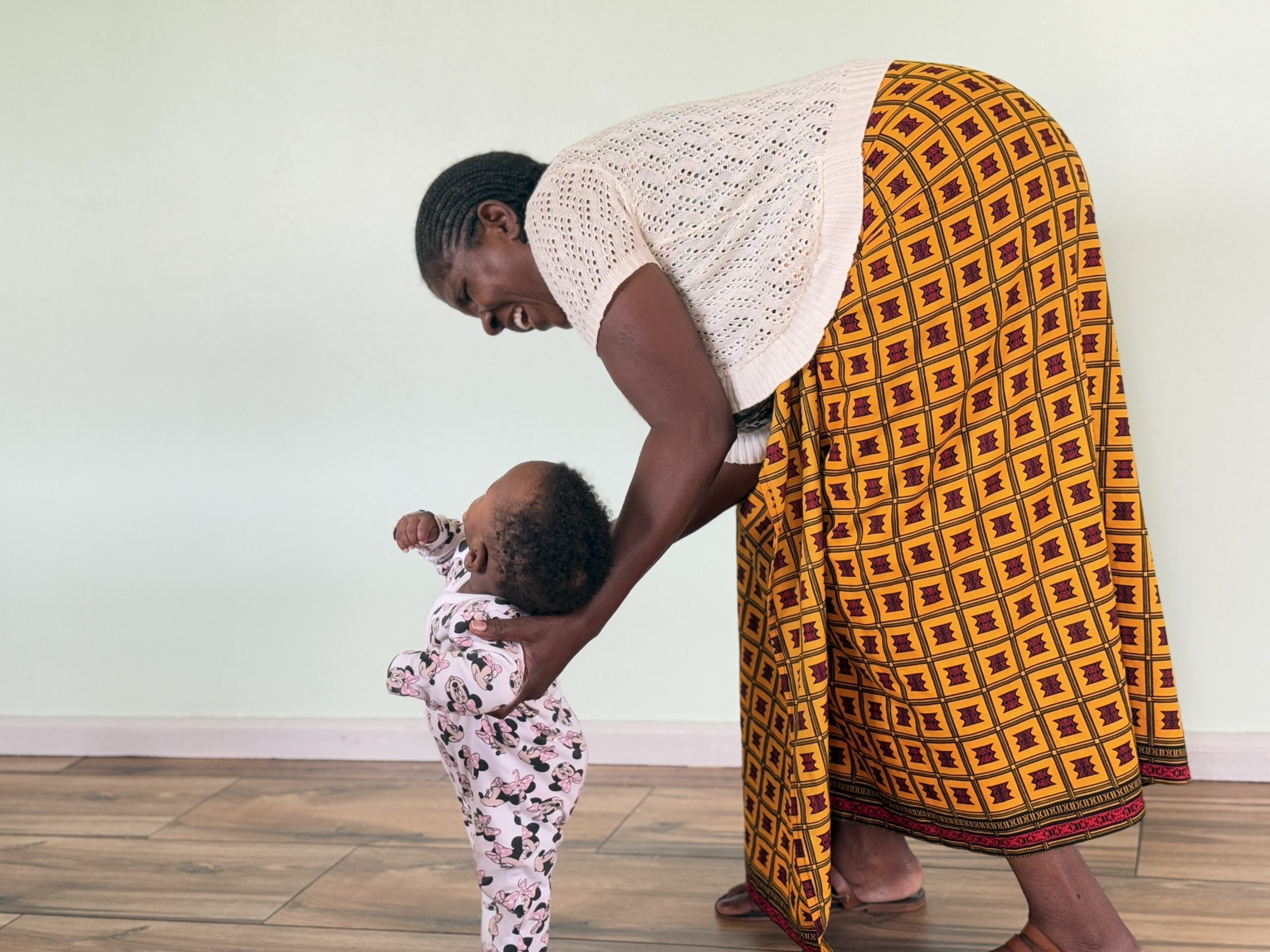
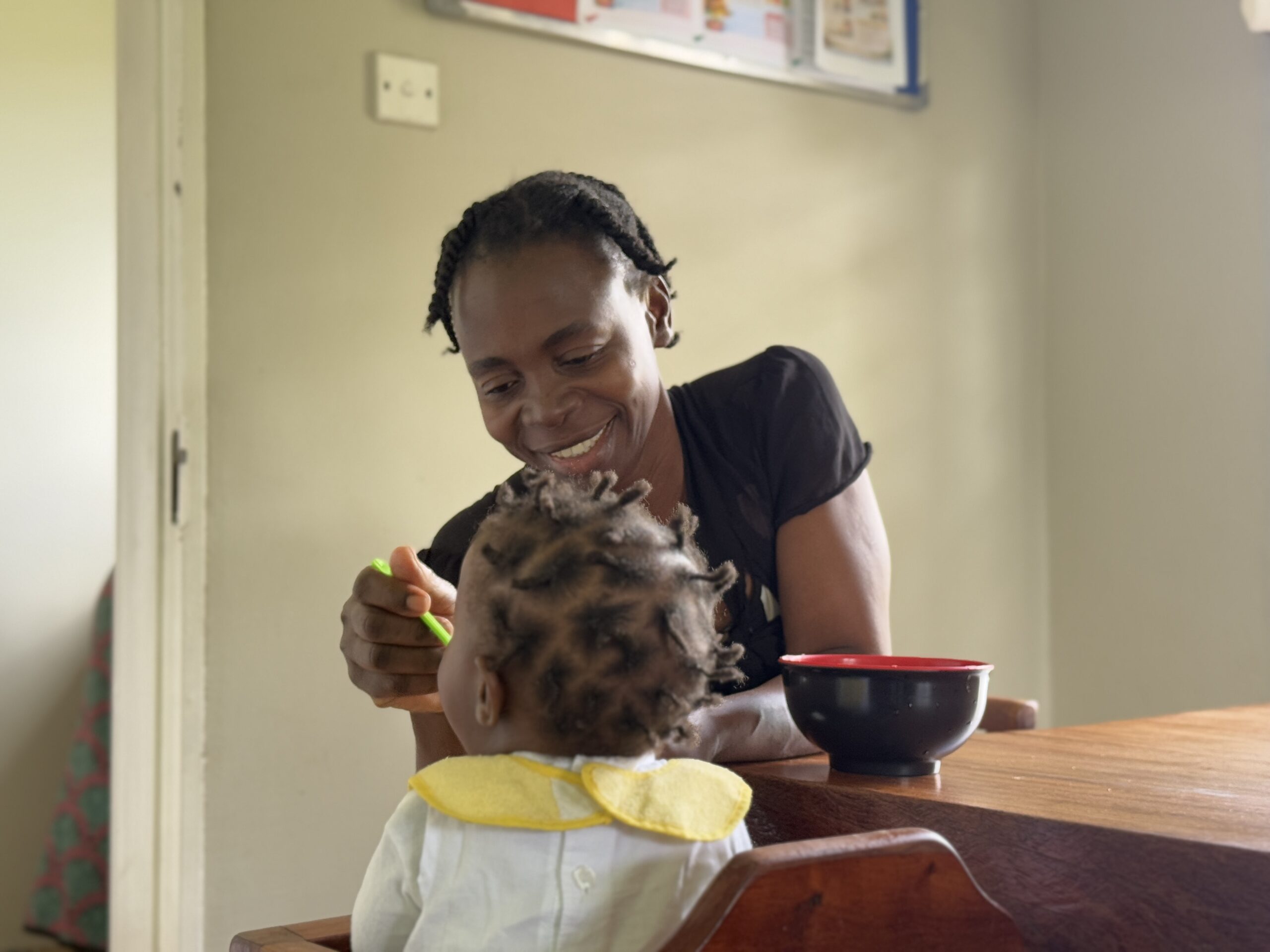
Each child is placed with a dedicated mama who provides daily nurturing and support. A social worker develops an individualized permanency plan focused on helping that child reach a safe and stable family environment.
Because separation from family can itself be traumatic, children can also receive counseling and therapeutic support to promote emotional healing. Depending on their age and needs, education becomes another part of preparing them for the future.
This holistic, Christ-centered approach recognizes that a child needs more than protection from immediate danger.
A child needs to be known. A child needs consistent attention. A child needs opportunities to heal and grow. And ultimately, a child needs to belong.
For Baby M, that process is already moving forward. Through Zambia’s child protection system and partnership with social welfare offices, a family that had previously applied to adopt was identified as a potential match. After the prospective parents relocated to Lusaka, his case was transferred to the Lusaka District Social Welfare Office so the bonding and adoption process could continue.
Today, Baby M waits surrounded by care instead of uncertainty.
Why Does Every Child Deserve Rescue?
For Janet, the answer begins with something foundational: every child is created in the image of God and deeply loved by Him.
Scripture repeatedly reveals God’s concern for the orphan and His call for His people to respond. James 1:27 calls believers to care for orphans and widows in their distress. Psalm 82:3 calls God’s people to defend the weak and fatherless. Deuteronomy 10:18 describes a God who defends the cause of the fatherless and the widow.
For Every Orphan’s Hope, caring for orphaned children is not simply humanitarian work. It is a response to the heart and calling of God.
It is also a recognition of what every child needs to flourish.
Childhood lays a foundation for the future. When children have their physical, emotional, social, and educational needs met, they are given the opportunity to grow into healthy, resilient adults who can positively impact their families and communities.
Rescue protects a child from immediate harm.
But the goal is much bigger than survival.
The goal is restoration, family, belonging, and a future rooted in hope.
Will You Help Us Be Ready?
We hope for a day when emergency rescue care is no longer necessary. Until then, we want to be ready when a child needs somewhere safe to go. As you begin thinking and praying about your end-of-year giving, would you consider how God might be calling you to stand with orphaned children?
Pray for children currently experiencing abandonment, abuse, neglect, illness, or separation from family. Pray for the mamas, social workers, medical professionals, government partners, biological families, and adoptive families walking alongside them.
Consider becoming a recurring donor. Consistent generosity helps provide the dependable resources needed to respond when a child enters crisis and to continue walking with that child toward family.
And prayerfully prepare for your end-of-year giving. Your generosity can help Every Orphan’s Hope continue providing holistic, Christ-centered care when a child needs it most.
Because rescue is still necessary. But rescue is not where the story is supposed to end. Family is.